
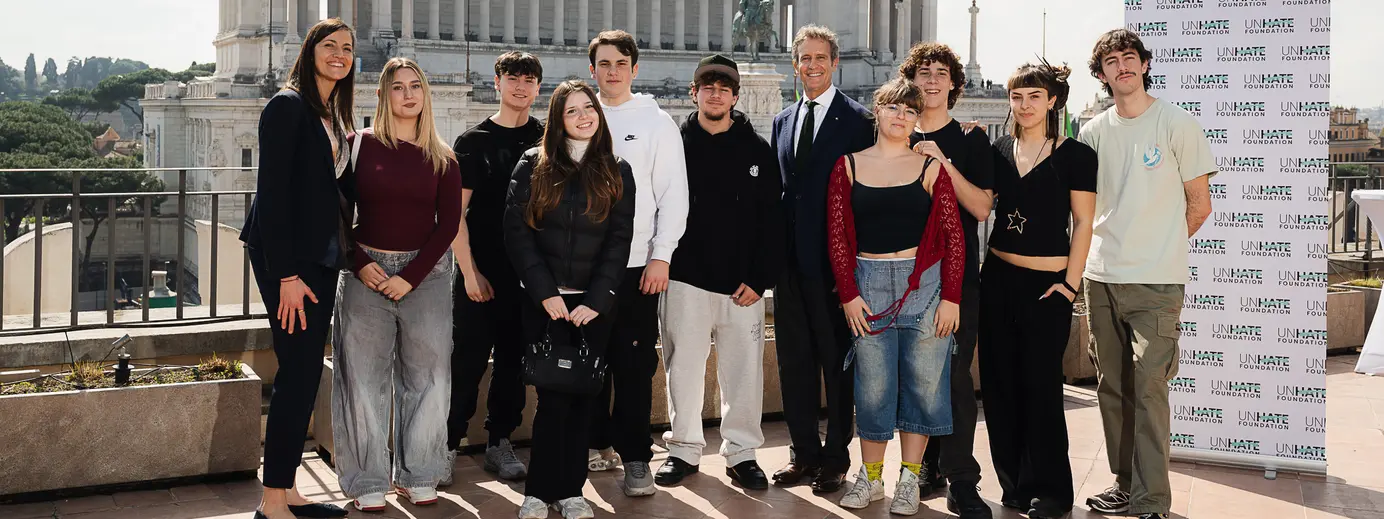
Understanding the condition of younger generations and identifying concrete tools to support them in shaping their future.
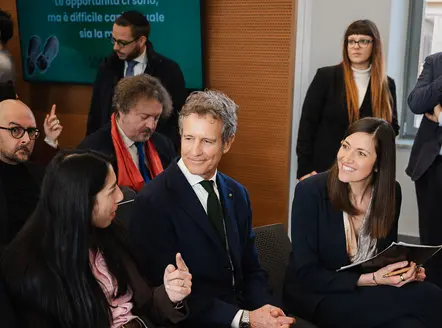
With this goal, Unhate Foundation, a third-sector organization established by our Vice-Chairman Alessandro Benetton and supported by Edizione SpA, Mundys and Aeroporti di Roma, has presented the first results of its permanent observatory “Unfiltered: Voci generazionali”, focused on youth fragility in Italy.
The study, led by Professor Mauro Magatti and titled “FRAGILE – mappae mundi of a new generation”, explores how Italian young people aged 13 to 24 respond to a context characterized by unprecedented opportunities and freedom. When not supported by strong educational networks, this extreme “openness” can often turn into a source of pressure and disorientation, leading to a real sense of paralysis.
The research reveals a complex picture. Twenty-four percent of young people are classified as “discouraged under pressure” – young individuals who perceive the world as threatening and struggle to manage relationships and expectations. At the same time, 17% belong to the group of “confident and proactive”, capable of navigating complexity with emotional and relational balance while maintaining a positive outlook on the future.
The largest group is represented by the “moderates in transition” (34%), characterized by a fragile balance and a need for constant support to avoid slipping into crisis, while 25% are “restless and on the edge”, highly active but exposed to the risk of overload.
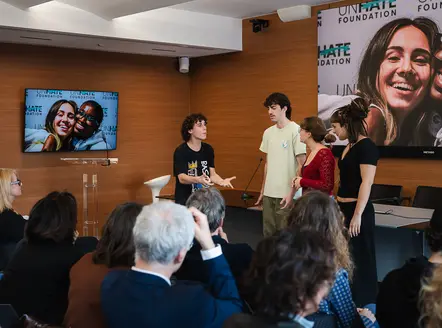
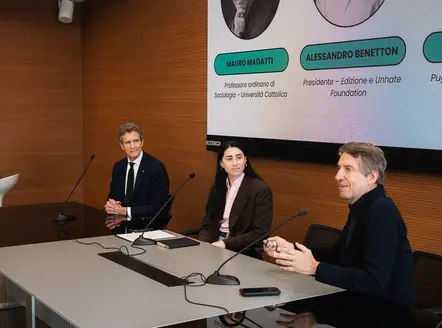

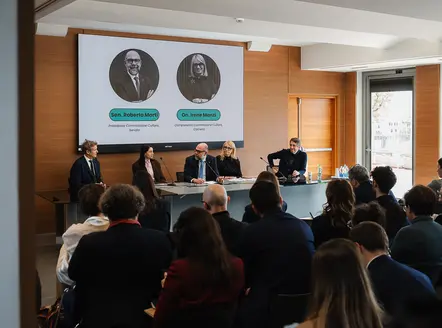
Overall, more than two thirds of young people still maintain a positive view of their lives and their future, although widespread signals of fatigue and pressure emerge, particularly among those aged 17 to 19.
Based on these findings, the Unhate Foundation Observatory proposes five directions for action:
- rebuilding stable educational relationships and places of belonging;
- transforming guidance and orientation into a continuous; process that helps young people make sense of their choices;
- better managing transitions between school and work;
- integrating psychological well-being into educational environments through accessible and non-stigmatizing support services;
- fostering youth agency through real opportunities for participation and shared responsibility.
Youth development takes shape within a broad educational ecosystem that includes families, schools and extracurricular activities, such as sports. It is through the integration of these actors that sustainable growth pathways can emerge. Evidence also shows that the role of adults is essential in supporting young people, particularly when signs of distress begin to appear.