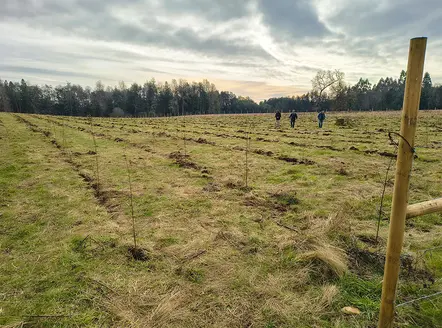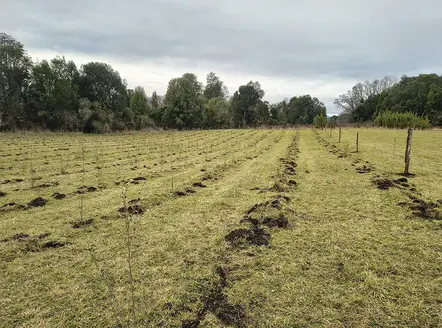
The trees will be planted in Chile’s Valdiviana Forest, one of the most threatened ecosystems in the world, and will cover an area equal to 240 football pitches.
This new project by Mundys’s green company will result in the removal of 80,000 tonnes of CO2, equivalent to the annual emissions of a mid-sized city.
Neya, the benefit company created by Mundys to combat climate change through carbon removal, the restoration of degraded ecosystems and projects benefitting local communities, announces a new project in southern Chile.
The initiative, which follows on the heels of Neya’s first reforestation project involving 500 hectares of land along the northern coast of Madagascar, will take place in Chile’s Valdiviana Forest, home to one of the richest and most threatened ecosystems in the world. The project will cover 170 hectares, equivalent to 240 football pitches, and will involve locally based workers, such as small and medium-sized landowners who will play their part in creating mixed native forests.
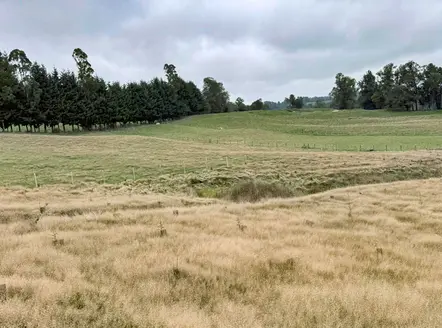
The plan will involve the planting of native species of tree such as Rauli, Coigüe and Roble, on degraded or marginal land, often used for grazing in the past. In social terms, tens of farming families are to be involved in the project, which will include technical training programmes, the creation of local jobs and a system for sharing the economic benefits resulting from carbon credits. The community’s tree farms will also be expanded. The project, due to last forty years, will remove approximately 80,000 tonnes of CO₂, equivalent to the annual emissions of a mid-sized city. 55,000 tonnes will be used directly by Mundys to offset a portion of the emissions from its infrastructure at global level. The project has been certified under the international Verified Carbon Standard (VCS).
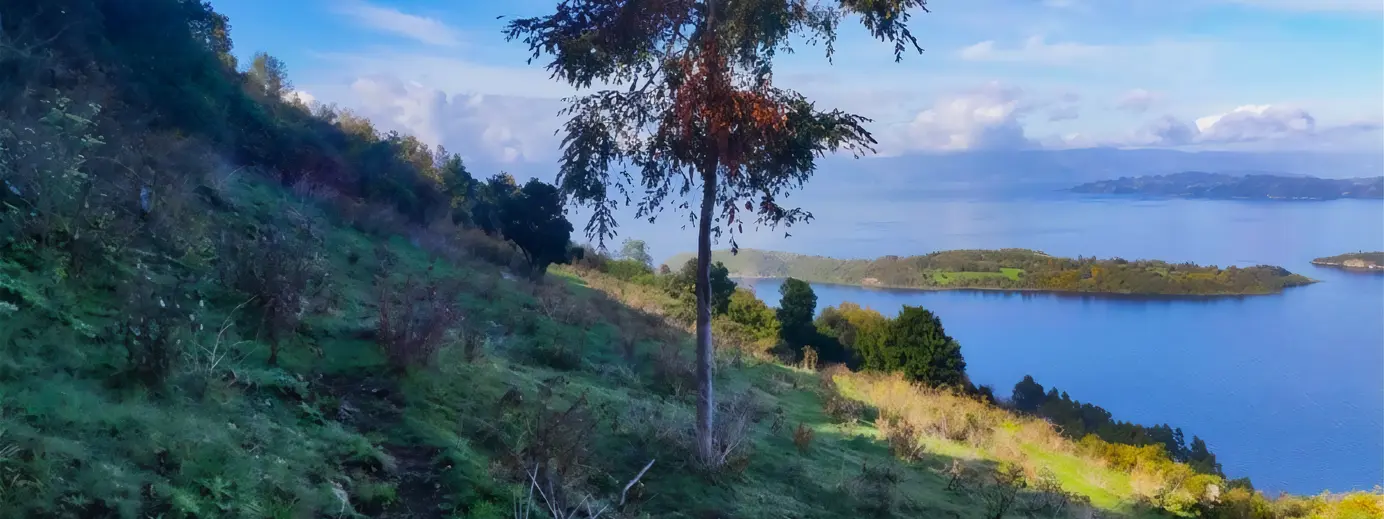
In addition to climate-related benefits, a key aspect of the initiative is the commitment to biodiversity protection. The Valdiviana Forest is an extraordinary ecosystem, hosting globally unique species, including 76% of amphibians and 45% of vertebrates that are endemic to this area. It also plays a major role in conserving the country’s water resources.
Neya’s local project partner is Agrupación de Ingenieros Forestales por el Bosque Nativo (AIFBN), a non-profit NGO founded in Valdivia in 1993. It brings together more than 200 partners, mostly forestry engineers, as well as biologists, agronomists, economists and lawyers concerned about conservation and sustainable management of Chile's native forests.