Pianeta

Il settore dei trasporti ha un impatto significativo sul cambiamento climatico, generando circa il 16% delle emissioni globali. In questo contesto, Mundys ha scelto di mettere in campo azioni concrete per abilitare la transizione verso un’economia a zero emissioni. Il nostro impegno si traduce nella produzione di energia rinnovabile e nell’ampliamento della rete di ricarica elettrica, ma anche nell’adozione di carburanti sostenibili e nella promozione della circolarità nei processi. A questo si affianca il rafforzamento della resilienza delle infrastrutture, per affrontare in modo efficace gli effetti del cambiamento climatico.

Strategia e progressi

1. Azzerare le emissioni dirette entro il 2040

METRICHEOBIETTIVIPERFORMANCE 2025
Emissioni di CO2e vs. 2019 (Scope 1 & 2)–38% al 2027
–50% al 2030
Net Zero al 2040
-43,4%
Energia elettrica da fonti rinnovabili90% al 2030
100% al 2040
85%
Energia autoprodotta da fonti rinnovabili o da contratti a lungo termine50% al 203039%
Efficienza energetica delle autostrade e degli aeroporti15% al 2030Autostrade 7%
Aeroporti 13%
le principali iniziative

SOLAR FARM AND PIONEER: Fiumicino toward Zero Emissions

SOLAR FARM AND PIONEER: Fiumicino toward Zero Emissions

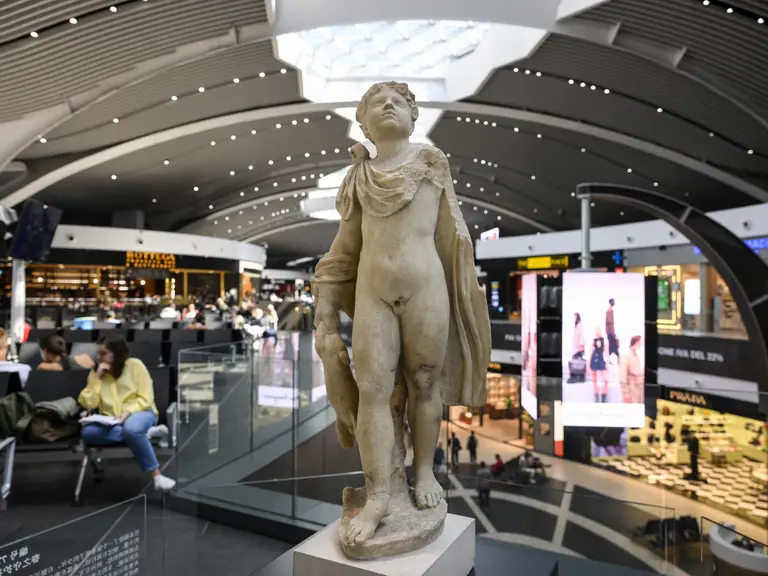
Fiumicino Airport has accelerated along its journey toward climate neutrality with two complementary projects. The Solar Farm – the largest photovoltaic airport plant in Europe – produces over 30 million kWh of renewable energy every year, reducing CO₂ emissions by over 11,000 tons. Over the next five years, installed capacity will grow to 60 MWp, bringing Fiumicino to the Net Zero Carbon goal by 2030, a full 20 years ahead of sector targets.

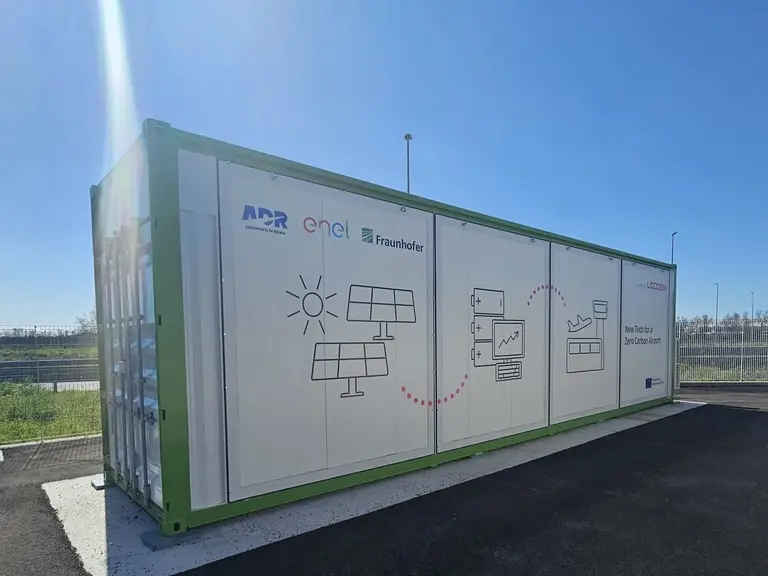
Completing the system is PIONEER, a European project developed with Enel and the Fraunhofer Institute. PIONEER uses second-life batteries from electric vehicles to store excess solar energy, making it available during evening hours – a further step toward the airport’s goal of reaching energy independence.

-   tCO₂/
year

Thanks to the Solar Farm

#1 in Europe

Fiumicino’s photovoltaic plant is the largest in terms of size


2. Decarbonizzare la catena del valore

METRICHEOBIETTIVIPERFORMANCE 2025
Intensità CO2eq di acquisto di materiali e prodotti-22% al 2030-20%
Intensità di CO2eq delle emissioni indirette a Fiumicino-30% al 2030-24%
Emissioni di CO2eq delle società partecipate in minoranza-50% al 2030-20%
Dipendenti che utilizzano carburanti SAF per trasferte aeree100% al 202815,3%
Compagnie aeree impegnate a definire obiettivi 
di decarbonizzazione SBTi
60% al 202847%
le principali iniziative
ADR

ADR: Net Zero along the value chain

ADR: Net Zero along the value chain

Aeroporti di Roma is taking a structured approach to Scope 3 emissions - involving partners, operators, users, and airlines -with the aim of contributing to Net Zero across the entire airport ecosystem.

Within this framework, ELEVATE plays a key role: a program through which ADR supports its business partners on a sustainable growth path, tailored to each participant’s level of ESG maturity.

At the operational level, ADR promotes the decarbonization of airport activities by promoting the use of sustainable biofuel (HVO) for airport vehicles and expanding its electric mobility infrastructure.

In parallel, ADR works to reduce emissions linked to passenger accessibility: rail intermodality is already well established, with over 30% of passengers choosing the train to reach Fiumicino.

To support the sector’s transition, the new tariff system also introduces reward mechanisms for more sustainable aircraft and for airlines with certified SBTi objectives, helping to accelerate the transition.
 

Net Zero 2050

L’obiettivo Scope 3 di ADR

NEYA: nature-based projects for CO₂ removal

NEYA: nature-based projects for CO₂ removal

Neya is a Benefit Company of the Mundys Group, dedicated to developing innovative projects for carbon removal and climate change mitigation.
Through nature-based solutions and advanced technologies, we work to reduce the global ecological footprint, improve the quality of life of local communities, and preserve biodiversity.

Cielo con aereo e alberi

Adoption of sustainable aviation fuel (SAF)

Adoption of sustainable aviation fuel (SAF)

Air transport is responsible for approximately 2.5% of global greenhouse gas emissions. Low-carbon aviation fuel, known as Sustainable Aviation Fuel (SAF), is produced from biomass and waste materials and has the potential to reduce COe emissions by up to 90% compared with traditional fuels, representing a concrete lever for the sector’s decarbonization.

In this direction, Aeroporti di Roma has launched concrete initiatives to promote the use of SAF at Fiumicino and Ciampino airports. In addition to promoting its use among airlines, ADR also encourages the voluntary use of SAF beyond regulatory requirements.

The commitment also extends to Mundys Group’s business travel: the goal is for 100% of employees’ business flights to be operated using sustainable fuel.
 

  €/t

Voluntary SAF incentive at Ciampino

-   % CO₂

Potential emissions reductions by using SAF vs traditional fuel


3. Incrementare la circolarità nei processi

METRICHEOBIETTIVIPERFORMANCE 2025
Materiali di pavimentazione riutilizzati/riciclati50% al 203021%
Rifiuti non pericolosi da costruzioni e demolizioni preparati per riuso/riciclo100% al 203072%
le principali iniziative
Strada con lavori in corso

ABERTIS: circular economy on the road

ABERTIS: circular economy on the road

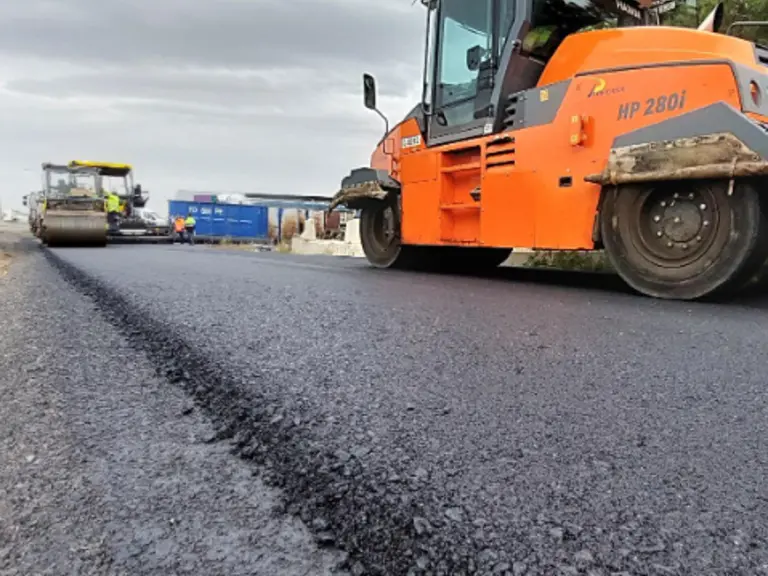
Reducing the consumption of virgin resources and the impact of construction sites is a priority for Abertis, which promotes the reuse of asphalt and the use of recycled materials in road pavements across its concessions. The focus of this approach is RAP — Reclaimed Asphalt Pavement: asphalt removed during maintenance is recovered and reused, reducing the use of virgin materials, transport, and associated emissions.

The adoption of RAP is well established globally: in France it reaches 43%, with peaks of up to 70% in base layers; in Italy, it accounts for almost 30% of mixes. In Latin America, Abertis is a leader in the sector, with active programs in Chile, Mexico, and Brazil. These solutions are complemented by innovative recycling techniques that regenerate existing road pavements on-site.
 

Up to   %

Percentage of recycled asphalt in base layers in France

Aéroports de la Côte d’Azur

AÉROPORTS DE LA CÔTE D'AZUR: waste management Takes Off

AÉROPORTS DE LA CÔTE D'AZUR: waste management Takes Off

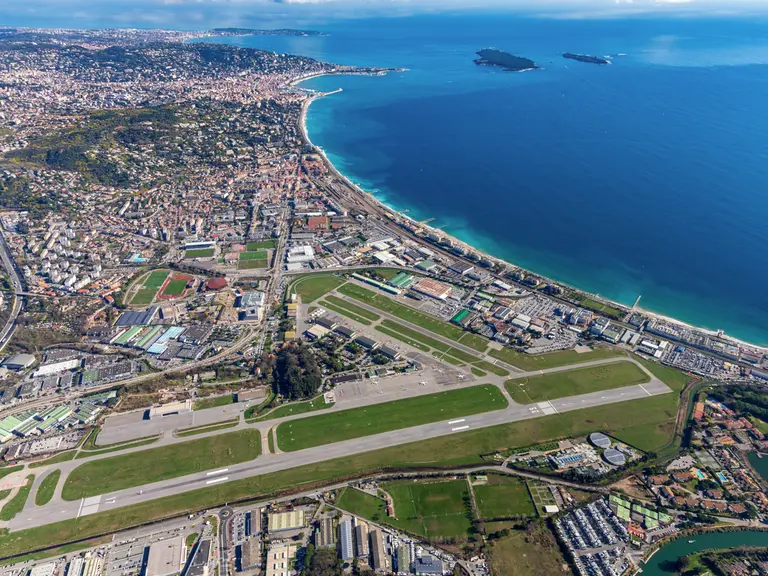
At Aéroports de la Côte d’Azur, waste management is a pillar of environmental strategy. With 14.8 million passengers, Nice Côte d’Azur airport is a virtuous model thanks to a differentiated collection system active since 2023, articulated in 11 recovery streams.

Particular attention is dedicated to organic waste and expansion of recycling circuits, which also involve operational areas like cargo and the car rental center. We are also committed to reducing the waste we generate: for example, during refurbishment of some aprons, 60% of removed aggregates were reused on-site, avoiding disposal.

In the terminals, dedicated drinking fountains encourage bottle reuse. Additionally, thanks to a partnership with Restaurants du Cœur des Alpes-Maritimes, objects confiscated at security checkpoints find a second life: over 18 months, 117,000 such items have been donated.

  % materials reused

Aggregates recovered during apron works and reused on-site for new concrete.

  products donated

Objects confiscated over 18 months at security checkpoints and destined to Restaurants du Cœur.


Il nostro Climate Action Plan 

Tutela degli ecosistemi

AI Assistant

Benvenuto! Sono il tuo assistente AI, progettato per aiutarti a trovare rapidamente le informazioni contenute in questo sito in modo semplice e preciso.

Rendi unica la tua esperienza, seleziona un argomento.

Informativa privacy: Le tue conversazioni con AI Assistant potrebbero essere analizzate per migliorare la qualità del servizio. Non condividiamo le tue informazioni con terze parti e i tuoi dati vengono trattati in conformità con la nostra informativa privacy.
Le risposte sono generate tramite un modello AI esterno e possono contenere imprecisioni.